About the Center
A focused practice for surgical care of the foot, ankle and lower leg
Center for Lower Extremity Surgery is a specialty practice of Ozturk Foot & Ankle, dedicated to the evaluation and surgical treatment of conditions of the lower extremity.
Why a center for surgery?
Choosing to have an operation on a foot or ankle is a big decision. It affects how you walk, work and exercise, and recovery can take months. The right decision depends on an accurate diagnosis, an honest look at non-surgical options, and a clear understanding of what the operation can and can’t do.
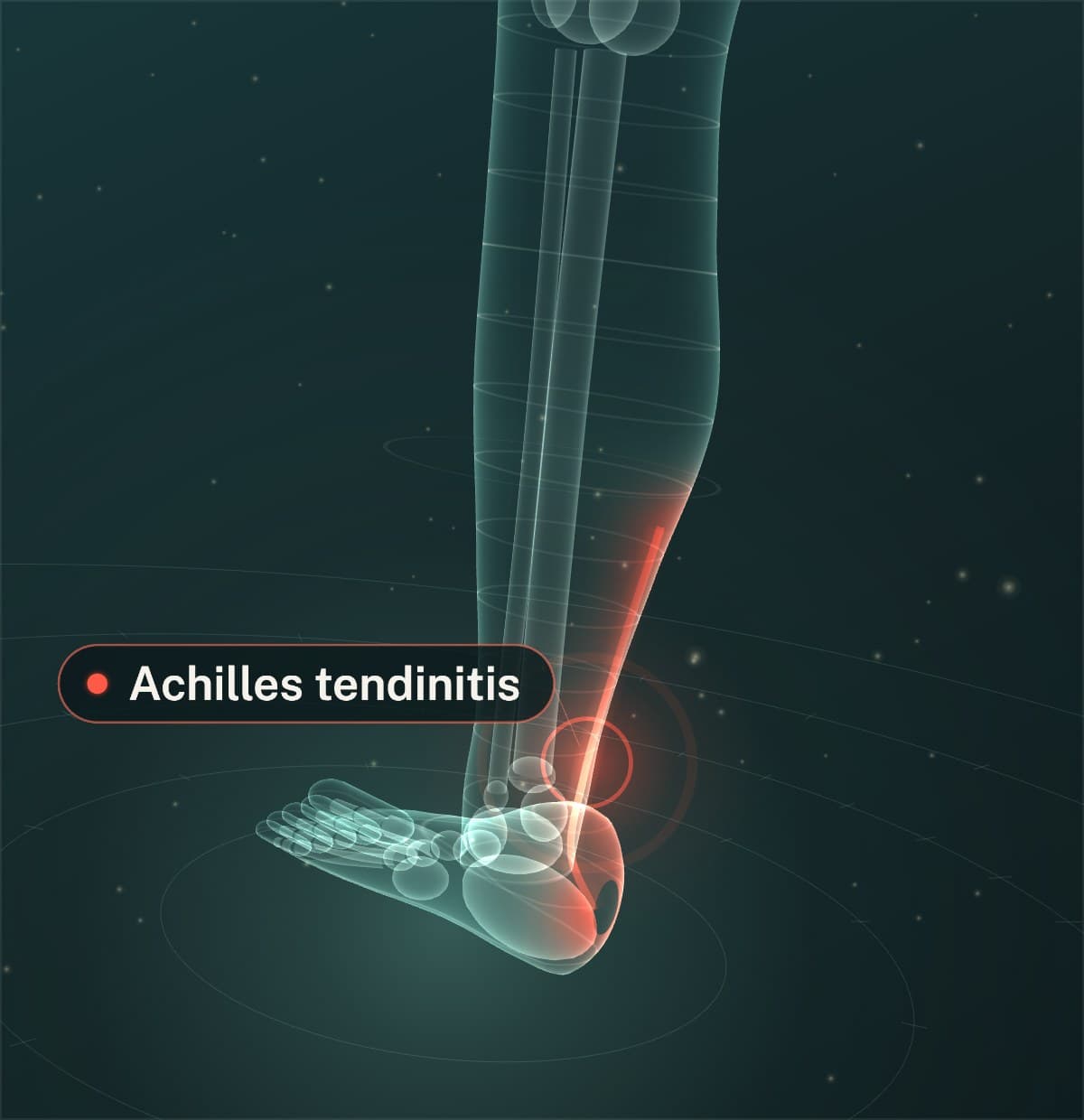
The Center brings together the evaluation and surgical treatment of these problems in one place: bunions, hammertoes and big-toe arthritis; heel, Achilles and arch problems; flatfoot; ankle instability and ankle arthritis; fractures; and surgical care of the diabetic foot.
The Center is part of Ozturk Foot & Ankle, not a separate organization: you’ll see the same surgeon, at the same offices, with the same phone number and team. For general foot and ankle care, visit ozturkfootankle.com. For nerve-related problems of the foot and ankle, see our sister practice, Lower Extremity Nerve Institute.
How we practice
Four principles that guide our care
A careful diagnosis comes first
Foot and ankle pain can come from a joint, a tendon, a bone, a nerve, the way you walk, or several of these at once. We take the time to work out which — because the right treatment, and whether surgery is needed at all, depends on it.
Non-surgical care when it fits, surgery when it’s the right step
Many problems improve with footwear changes, padding, orthotics, exercise or bracing. Others — an unstable fracture, a ruptured tendon, a collapsing joint — call for a timely operation. We explain which situation you’re in, and why.
Honest expectations
Every operation has limits and risks, and recovery takes time. We describe what is realistic for you, including the chance of a less-than-perfect result and the alternatives, so you can make decisions with clear information.
Coordinated care
Surgical care often involves more than one specialty. We work with your primary care physician, endocrinologist, vascular specialist, physical therapist or previous surgeon when that helps your care.
The path of care
From first visit to recovery
Step 1: Listen and examine
A detailed history and a hands-on examination of your foot, ankle and leg: alignment, motion, strength, skin, circulation, sensation, gait and footwear.
Step 2: Clarify the diagnosis
Weight-bearing X-rays and, only when they will change the plan, further imaging such as CT, MRI or ultrasound.
Step 3: Non-surgical care first
When appropriate: footwear, padding, orthotics or bracing, exercise and therapy, activity changes and medication — given a fair, time-limited trial.
Step 4: Surgery, when it’s the right step
Discussed when symptoms persist, or when an injury needs it. We explain the options, the risks and what to expect, including not operating.
Step 5: Recovery and follow-up
A clear plan for weight-bearing, rehabilitation and follow-up visits, with realistic timelines and a way to reach us if something worries you.
What we evaluate and treat
Toes and forefoot
Heel, arch and tendons
Fractures and the diabetic foot
Treatments and operations
Heel, arch and tendons
Ankle and midfoot
Before and after surgery
Imaging and coordination
Most foot and ankle problems are identified from a careful history and examination, together with weight-bearing X-rays. When more information is needed, ultrasound (also available on site) can look at tendons and soft tissues, and CT or MRI may be recommended and arranged with an imaging center. When your care involves other specialties — for example vascular surgery, infectious disease, endocrinology or physical therapy — we coordinate with them and review the results with you.
Appointments
Talk with us about your foot or ankle
An evaluation can clarify what’s causing your symptoms and what your options are — starting with non-surgical care whenever that’s appropriate, and discussing surgery only when it makes sense for you.