Bunion Surgery Recovery: A Realistic Timeline
Recovery is measured in weeks to months, and it depends on the operation. A stage-by-stage look at what to expect and why plans differ.
Medically reviewed by Efe Ozturk, DPM · Last reviewed
Published 6 min read
“How long is recovery?” is the question people ask most after they decide on surgery, and the honest answer starts with “it depends.” This article explains what it depends on, walks through the usual stages, and points out the parts that surprise people. It assumes you have already decided to operate; if you have not, start with do I need bunion surgery? For the operations themselves, see bunion surgery.
Why bunion recoveries differ
Two people can both say they had bunion surgery and follow very different plans. The differences come from:
- The operation. A bone cut near the end of the first metatarsal, a cut farther back, and a fusion at the base of the bone (the Lapidus procedure) load the foot differently while they heal.[3]
- The fixation. Screws, plates or other hardware hold the correction, and how stable that hold is affects how early you can put weight on the foot.
- Your bone and your health. Bone quality, circulation, diabetes and smoking all affect healing.[4,5]
- Your surgeon’s protocol. Weight-bearing plans vary even for the same operation.
The Lapidus fusion shows how much. It has traditionally meant a long period without weight on the foot. A systematic review of eight studies of putting weight on the foot within two weeks reported a nonunion rate of 3.6%. A meta-analysis found that a longer wait before full weight-bearing went along with more nonunion, and that plantar plating allowed earlier weight-bearing. None of this comes from randomized trials, which is why protocols still differ between surgeons.[6,3]
The stages of recovery
| Stage | What usually happens | What matters most |
|---|---|---|
| First days | Rest with the foot elevated. The dressing stays clean and dry. The nerve block wears off. | Start pain medicine before the block fades, and keep the foot up. |
| First weeks | Stitches usually come out after about two weeks. Dressings change, and a splint may give way to a protective shoe or boot. | Follow the weight-bearing plan exactly. |
| Weeks to months | Weight-bearing increases in steps and a supportive shoe replaces the boot. Therapy works on motion, strength and walking. Swelling lingers. | Steady progress, not speed. |
| Full activity | Running, jumping and sport come last, and depend on strength, motion and pain rather than a date. | Your surgeon’s clearance. |
The first days
Plan on resting with the foot elevated above the level of the heart for much of the day. A nerve block can make the foot numb for many hours and then wear off quickly, so take the first dose of pain medicine on the schedule you were given, before the pain arrives. Your surgeon will tell you whether you may put any weight on the foot and which device to use: crutches, a walker, a knee scooter or a boot.
The first weeks
Stitches are usually removed at about two weeks. The bulky dressing is replaced, and you may move from a splint to a boot or a protective shoe. Depending on the operation, you may be allowed to put some weight on the foot in a protective shoe, or you may be asked to keep weight off it for a period. Your instructions come from your operation, not from a calendar.
Weeks to months
This is the long middle of recovery. Weight-bearing is increased in steps, the boot is replaced by a supportive shoe, and therapy, if prescribed, focuses on motion, strength, balance and walking. Progress can feel slow, and that is normal.
Returning to full activity
Sports and impact activity come last. Readiness depends on how strong the foot is, how well the big toe moves and how much pain you have, not on a date on the calendar.
Swelling, stiffness and shoes
Swelling is the most persistent part of recovery. It is expected for weeks, can last for several months, and is usually worse at the end of the day and after you have been on your feet.[1,2] Elevating the foot, following the dressing and activity instructions and doing your exercises are what help.
Stiffness of the big toe joint is common early and often eases. In a review of 229 studies, pain in the joint of the big toe after surgery was reported in about 1.5% of patients, so it is uncommon but real; tell your surgeon if motion is not improving.[7] Your foot may also be wider and swollen for a while, so plan to wear a roomy, supportive shoe first and go back to your usual shoes only when it is comfortable and your surgeon agrees.
Does a smaller incision mean a faster recovery?
Not necessarily. In a randomized trial of minimally invasive versus open bunion surgery, the minimally invasive group had better early wound appearance at six weeks, but one-year results were similar.[8] Bone healing still takes time, whatever the incision. Our article on minimally invasive bunion surgery looks at the evidence in more detail.
Driving, work and everyday life
- Driving. It depends on which foot was operated on, whether you are in a boot, and whether you take opioid pain medicine. A systematic review of studies of return to driving after lower-limb surgery found average recommendations of about 6.7 weeks after foot surgery, with wide variation. See when can I drive after foot or ankle surgery?.[9]
- Work. Desk work with the foot elevated may be possible within days to weeks; standing, walking or physical work usually takes longer. Tell us about your job before surgery so the plan can include a graduated return.
- Home. Set up a resting spot, arrange help for the first days, and think through stairs and bathing. How to prepare for foot and ankle surgery has a checklist.
What can slow you down
- Smoking. It raises the risk of wound infection and delayed bone healing in foot and ankle surgery.[4]
- Poorly controlled diabetes or nerve damage. Both are linked to more infections.[5]
- Putting weight on the foot too soon, or skipping elevation and exercises.
- Blood clots. Keeping the leg immobilized raises the risk of clots in the leg veins. They are uncommon after foot and ankle surgery, but your surgeon will talk with you about your own risk and whether preventive measures make sense.[10,11]
Common questions
When can I walk normally after bunion surgery?
It depends on the operation and how it was fixed. Some people can walk in a protective shoe soon after surgery; others need weeks without weight on the foot.[6,3] Your surgeon sets the weight-bearing schedule for your specific operation.
When can I wear regular shoes?
Usually after you have moved from the boot or protective shoe to a supportive, roomy shoe, and swelling has settled enough to fit your usual shoes. That can take months, and your surgeon decides when.[1,2]
Why is my foot still swollen months later?
Swelling can persist for several months, especially at the end of the day. It is not a sign that something has gone wrong unless it is increasing, red or painful.[1,2]
Does minimally invasive surgery recover faster?
Early wound appearance may be better, but one-year results were similar in a randomized trial, and bone healing still takes time.[8]
When can I exercise or run again?
Last of all. It depends on strength, motion and pain, so ask your surgeon for clearance rather than following a fixed schedule.
The bottom line
Expect weeks to months of recovery, with swelling that outlasts the boot. Follow the plan for your operation, take the steps that speed healing (elevation, exercises, no smoking), and call early if something seems wrong.
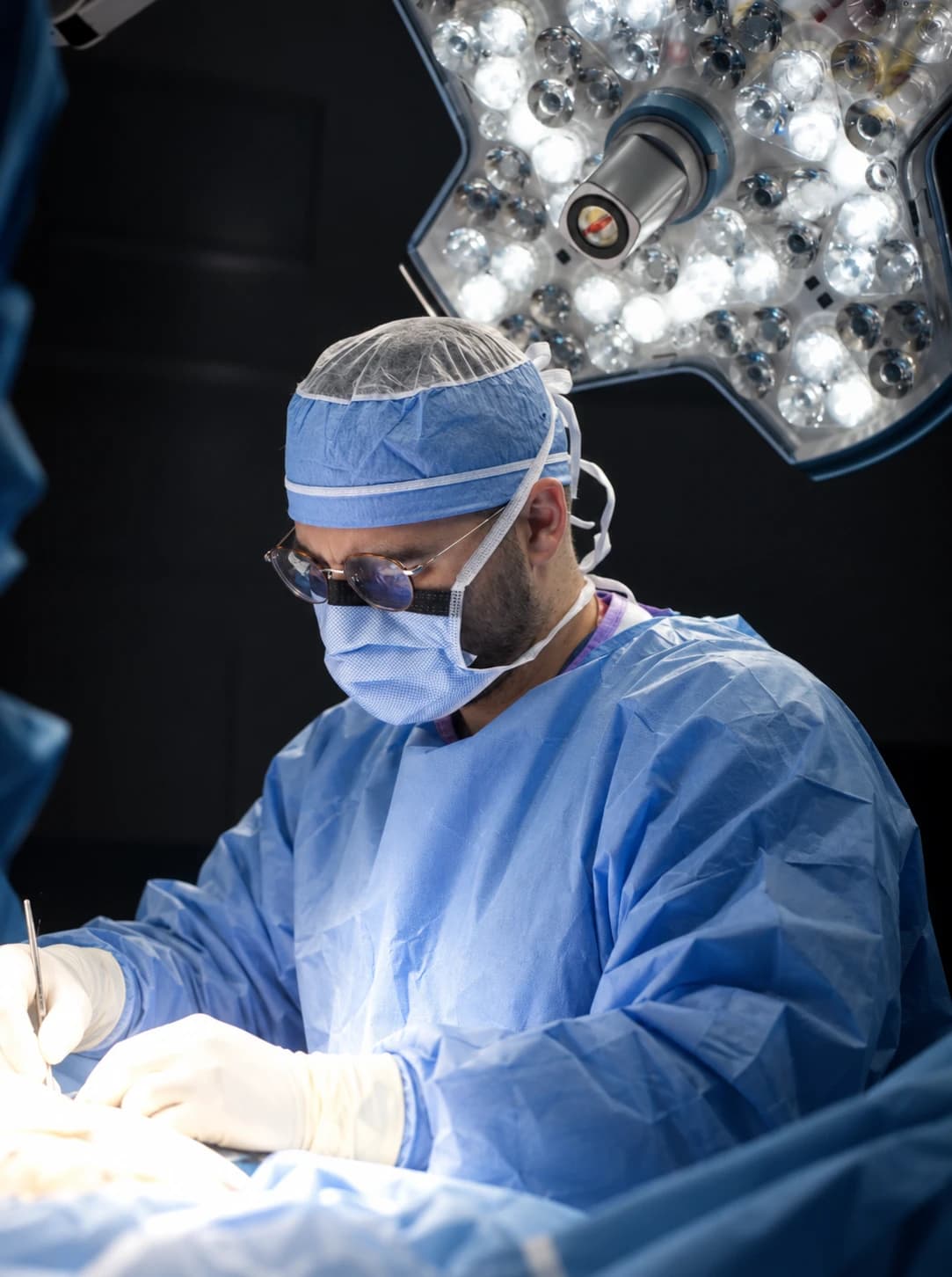
Reviewing surgeon
Foot and Ankle Surgeon at Center for Lower Extremity Surgery, a specialty practice of Ozturk Foot & Ankle. Dr. Ozturk is double board certified, as a Diplomate of the American Board of Podiatric Medicine (DABPM) and a Fellow of the Academy of Physicians in Wound Healing (FAPWH), and is a Fellow of the American Society of Podiatric Surgeons (FASPS) and the American Society of Podiatric Medicine (FASPM).
References
- 1.American Academy of Orthopaedic Surgeons. Bunions. OrthoInfo. orthoinfo.org (external site)
- 2.American College of Foot and Ankle Surgeons. Bunions. FootHealthFacts. foothealthfacts.org (external site)
- 3.Waehner M, Klos K, Polzer H, Ray R, Lorchan Lewis T, Waizy H. Lapidus Arthrodesis for Correction of Hallux Valgus Deformity: A Systematic Review and Meta-Analysis. Foot Ankle Spec. 2026;19(1):58-69. PubMed 38483102 (external site)
- 4.Pour Jafar S, Garibaldi R, Seidel A, Soares S. Smoking-related complications in foot and ankle surgery: a systematic review. Eur Rev Med Pharmacol Sci. 2024;28(24):4691-4700. PubMed 39749371 (external site)
- 5.Wukich DK, Crim BE, Frykberg RG, Rosario BL. Neuropathy and poorly controlled diabetes increase the rate of surgical site infection after foot and ankle surgery. J Bone Joint Surg Am. 2014;96(10):832-9. PubMed 24875024 (external site)
- 6.Crowell A, Van JC, Meyr AJ. Early Weightbearing After Arthrodesis of the First Metatarsal-Medial Cuneiform Joint: A Systematic Review of the Incidence of Nonunion. J Foot Ankle Surg. 2018;57(6):1204-1206. PubMed 30253966 (external site)
- 7.Barg A, Harmer JR, Presson AP, Zhang C, Lackey M, Saltzman CL. Unfavorable Outcomes Following Surgical Treatment of Hallux Valgus Deformity: A Systematic Literature Review. J Bone Joint Surg Am. 2018;100(18):1563-1573. PubMed 30234626 (external site)
- 8.Escudero MI, Escobar F, Albarrán CF, Medina A, Pellegrini MJ. Minimally Invasive vs Open Distal Metatarsal Osteotomy for Hallux Valgus: A Randomized Controlled Trial of Short-term Wound Healing and 1-Year Outcomes. Foot Ankle Int. 2025;46(10):1092-1102. PubMed 40931943 (external site)
- 9.Venugopal NK, O'Leary S, Robledo A, Husain A, Tom RB, Nuti SA, et al. Safe driving recommendations following lower extremity orthopedic surgery: a systematic review. Eur J Orthop Surg Traumatol. 2024;34(1):59-66. PubMed 37639004 (external site)
- 10.Mangwani J, Sheikh N, Cichero M, Williamson D. What is the evidence for chemical thromboprophylaxis in foot and ankle surgery? Systematic review of the English literature. Foot (Edinb). 2015;25(3):173-8. PubMed 26092561 (external site)
- 11.Zee AA, van Lieshout K, van der Heide M, Janssen L, Janzing HM. Low molecular weight heparin for prevention of venous thromboembolism in patients with lower-limb immobilization. Cochrane Database Syst Rev. 2017;8(8):CD006681. PubMed 28780771 (external site)
This article is general health information and isn’t a substitute for advice from a clinician who knows your history. Read our medical disclaimer and how we review content.
Learn more about this
Treatment
Bunion surgery
Osteotomy, Lapidus fusion and minimally invasive options: how bunion operations are chosen, what recovery involves and what studies show.
Treatment
Recovery after surgery
Weight-bearing, swelling, timelines by operation, driving, work and the warning signs to watch for.
Treatment
Preparing for surgery
Medical evaluation, smoking and diabetes, anesthesia, pain control, blood clots and getting your home ready.
Keep reading
Toes and forefoot
Do I Need Bunion Surgery? How to Decide
A bunion is not an emergency. Here is how to tell whether pain, shoes and daily life have reached the point where surgery is worth discussing.
7 min read
Before and after surgery
When Can I Drive After Foot or Ankle Surgery?
The answer depends on which foot was operated on, what you are wearing and what you are taking. What research on braking shows, and how to decide.
6 min read
Before and after surgery
How to Prepare for Foot and Ankle Surgery: A Checklist
A practical checklist for the weeks before surgery: your health review, the risks you can change, setting up your home, and what to bring.
7 min read
On the Ozturk Foot & Ankle blog
General foot care and non-surgical basics, from our parent practice.