How to Walk After Broken Ankle Surgery: A Weight-Bearing Timeline
Plates and screws let many people put weight on a fixed ankle within days or weeks. What the trials show, and the stages from walking boot to your own shoes.
Medically reviewed by Dr. Efe Ozturk · Last reviewed
Published 6 min read
A broken ankle that is displaced or unstable is usually fixed with surgery called open reduction and internal fixation (ORIF). The surgeon puts the bones back in place and holds them with plates, screws or a rod. For the operation itself, see ankle and foot fracture surgery. This article is about what comes next: how to walk after broken ankle surgery, from the first steps in a boot to your own shoes.
Why does fixation help you walk sooner?
The traditional plan, and the comparison in the first two trials below, was six weeks in a cast with no weight on the foot. Trials now show that, after a stable fixation, many people can start much sooner.
- Walking from day one. In the INWN trial, 160 people were assigned either to protected weight-bearing in a walking boot from the day after surgery or to six weeks off the foot in a cast. The early group had better ankle scores at 6 weeks (43 vs. 35 out of 100), returned to work earlier and cost less to treat. Infections, wound problems and further operations were similar.[1]
- Walking and moving at two weeks. In a trial of 110 people with unstable fractures, those who started weight-bearing and ankle motion at 2 weeks had better ankle motion (41 vs. 29) and better function scores (45 vs. 32) at 6 weeks than those kept in a cast. No fixation failed and no fracture slipped. Plate removal for irritation was planned or done in 2% of the early group, compared with 19% of the cast group.[3]
- The pooled evidence. A 2026 review of five randomized trials with 1,030 people found that starting weight within 3 weeks of fixation gave better function at 6 weeks and 3 months and a quicker return to work, without a clear rise in complications.[4]
Fixation also keeps the bones lined up while they heal. In a trial of people over 60 with unstable fractures, the bones healed out of position (malunion) in 3% of those who had surgery and 15% of those treated in a cast.[5] A review of seven trials found that surgery had lower rates of early treatment failure and of bones healing poorly or not at all.[6]
How to walk after broken ankle surgery: the weight-bearing timeline
No single plan fits everyone. Your surgeon decides when you can put weight on the foot, because doing it too early can let the pieces shift and heal badly.[2] Here is how recovery usually unfolds.
| Stage | What usually happens | What matters most |
|---|---|---|
| First 2 weeks | A splint, cast or boot, with the leg raised. Some plans allow weight in a boot from day one. | Swelling control, wound care and following your weight plan. |
| Weeks 2 to 6 | In many plans, weight and gentle ankle motion start in a boot. X-rays check healing. | Steady, protected steps with crutches or a walker as needed. |
| Weeks 6 to 12 | Early healing at 6 weeks, full healing by 10 to 12. The boot gives way to a shoe. | Physical therapy for motion, strength and balance. |
| Months 3 to 4 | Most people are back to normal daily activities. | Building endurance. A limp can linger. |
| Up to 2 years | Some fractures take this long to recover completely. | Sport, often with a brace for a few months. |
Your doctor will usually check healing with X-rays at about 2, 6 and 12 weeks.[2]
Taking your first steps
Use what your surgeon gave you: crutches, a walker, a knee scooter or a boot. If you are allowed partial weight, put only the amount you were told on the foot and let the walking aid take the rest. Raise the leg when you sit, because swelling eases with elevation.[2]
From boot to shoe
Rehabilitation usually begins once the fracture has started to heal and the cast or boot comes off. Stiffness and swelling can last for many months, even after the bone has healed.[2] Choose a supportive, closed shoe with room for swelling. Your doctor may suggest an ankle brace for sports for several months.[2]
Back to work and driving
Early weight-bearing got people back to work sooner in pooled trials.[4] If your right ankle was fixed, one study found that 21 of 23 people passed an on-road driving test at 6 weeks.[7] Patient guidance gives 9 to 12 weeks for driving after a right ankle fracture, so ask your surgeon first.[2] Read when you can drive after foot and ankle surgery.
Does a broken ankle need surgery?
Not always. A fracture where the bones haven’t moved out of place may heal in a cast or boot. Most displaced fractures with a dislocation need surgery.[2] See ankle and foot fractures. If yours is unstable, an early visit with a Foot and Ankle Surgeon keeps every option open while the swelling settles.
What are the limits?
Several trials of early weight-bearing left out people with a body mass index over 30, fractures of all three ankle bones or ligament injuries between the shin bones, so the results apply best to lower-risk patients.[4] A Cochrane review of 53 studies judged the gain in function from early weight-bearing to be small and not clinically meaningful, with little or no difference in repeat operations.[8] In the trial of people over 60, ankle function at 6 months was about the same with surgery or a cast. Infection and wound problems were more common after surgery (10% vs. 1%), though 19% of the cast group later had surgery anyway.[5] Across trials, short-term function was similar with surgery or a cast, but surgery brought more infection and further surgery.[6] Smoking, diabetes and older age raise the risk of complications.[2]
Common questions
How long is broken ankle surgery recovery time?
Most ankle fractures take at least 6 weeks for early healing and 10 to 12 weeks to heal fully. Most people return to normal activities in 3 to 4 months, and complete recovery from some fractures can take up to 2 years.[2]
Can a broken ankle heal without surgery?
A stable fracture often can.[2] For unstable fractures, casting carried a higher chance of the bones healing out of position.[5,6]
What shoes should I wear after broken ankle surgery?
A supportive, closed shoe with room for swelling, once your surgeon moves you out of the boot. Swelling can last for months, and a brace may help for sports.[2]
What exercises help after fibula fracture surgery?
Your physical therapist will focus on ankle motion, strength and balance. Starting gentle motion early improved ankle movement at 6 weeks in one trial.[3] A Cochrane review was unsure whether any specific therapy program works better than usual care.[8]
The bottom line
Fixation does more than hold the bones. It lets many people put weight on the ankle within days or weeks, and the trials show better early function without more complications. Dr. Ozturk is a double board certified Foot and Ankle Surgeon and podiatrist who sees patients in Lyndhurst, Paramus and Millburn. Our parent practice explains fracture and trauma care (external site), or you can request an appointment. See also recovery after foot and ankle surgery.
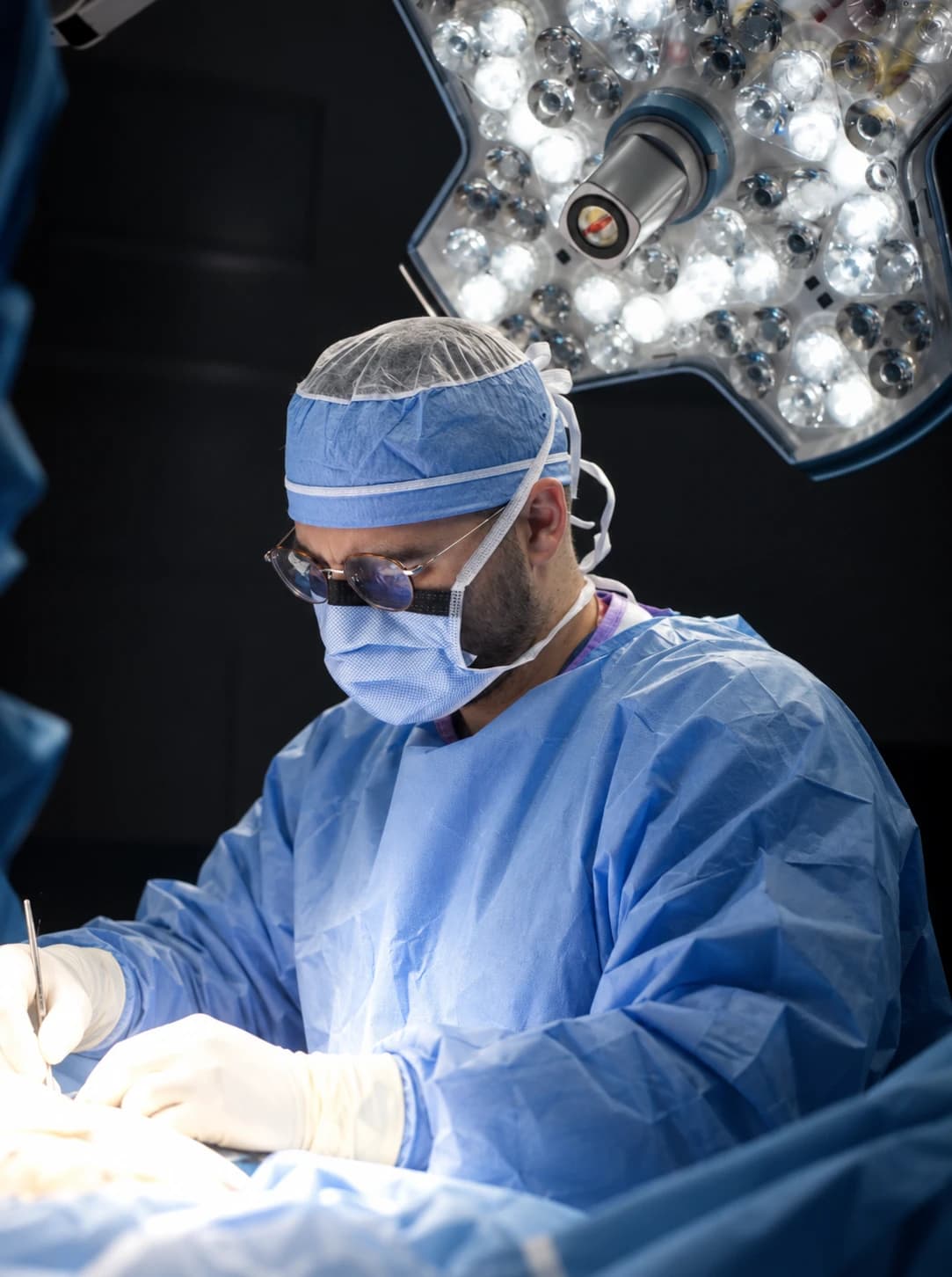
Reviewing surgeon
Foot and Ankle Surgeon at Center for Lower Extremity Surgery, a specialty practice of Ozturk Foot & Ankle. Dr. Ozturk is double board certified, as a Diplomate of the American Board of Podiatric Medicine (DABPM) and a Fellow of the Academy of Physicians in Wound Healing (FAPWH), and is a Fellow of the American Society of Podiatric Surgeons (FASPS) and the American Society of Podiatric Medicine (FASPM).
References
- 1.Khojaly R, Rowan FE, Shah V, et al. Immediate Weight-Bearing Compared with Non-Weight-Bearing After Operative Ankle Fracture Fixation: Results of the INWN Pragmatic, Randomized, Multicenter Trial. J Bone Joint Surg Am. 2025;107(13):1423-1438. PubMed 40408465 (external site)
- 2.American Academy of Orthopaedic Surgeons. Ankle Fractures (Broken Ankle). OrthoInfo. orthoinfo.org (external site)
- 3.Dehghan N, McKee MD, Jenkinson RJ, et al. Early Weightbearing and Range of Motion Versus Non-Weightbearing and Immobilization After Open Reduction and Internal Fixation of Unstable Ankle Fractures: A Randomized Controlled Trial. J Orthop Trauma. 2016;30(7):345-52. PubMed 27045369 (external site)
- 4.Egu C, Akil H, Hakim RA, et al. Early vs Late Weight Bearing After Ankle Fracture Fixation: A Meta-analysis of Randomized Controlled Trials. Foot Ankle Int. 2026;47(2):174-183. PubMed 41472367 (external site)
- 5.Willett K, Keene DJ, Mistry D, et al. Close Contact Casting vs Surgery for Initial Treatment of Unstable Ankle Fractures in Older Adults: A Randomized Clinical Trial. JAMA. 2016;316(14):1455-1463. PubMed 27727383 (external site)
- 6.Javed OA, Javed QA, Ukoumunne OC, Di Mascio L. Surgical versus conservative management of ankle fractures in adults: A systematic review and meta-analysis. Foot Ankle Surg. 2020;26(7):723-735. PubMed 31818542 (external site)
- 7.Ho SWL, Yam M, Chan ML, Kwek EBK. Return to car driving is safe 6 weeks after operative treatment of right ankle fractures. Arch Orthop Trauma Surg. 2018;138(12):1691-1697. PubMed 30229342 (external site)
- 8.Lewis SR, Pritchard MW, Parker R, et al. Rehabilitation for ankle fractures in adults. Cochrane Database Syst Rev. 2024;9(9):CD005595. PubMed 39312389 (external site)
This article is general health information and isn’t a substitute for advice from a clinician who knows your history. Read our medical disclaimer and how we review content.
Learn more about this
Treatment
Fracture surgery
When a broken ankle or foot needs an operation, how bones are held while they heal, and what recovery involves.
Condition
Ankle and foot fractures
Breaks of the ankle and foot bones, from small cracks that heal in a boot to unstable injuries that need surgery.
Treatment
Recovery after surgery
Weight-bearing, swelling, timelines by operation, driving, work and the warning signs to watch for.
Symptom guide
Ankle pain and swelling
Sprain, fracture, tendon injury, instability or arthritis: what can cause ankle pain and swelling and when to get help.
Keep reading
Before and after surgery
When Can I Drive After Foot or Ankle Surgery?
The answer depends on which foot was operated on, what you are wearing and what you are taking. What research on braking shows, and how to decide.
6 min read
Before and after surgery
How to Prepare for Foot and Ankle Surgery: A Checklist
A practical checklist for the weeks before surgery: your health review, the risks you can change, setting up your home, and what to bring.
7 min read
Before and after surgery
Smoking, Diabetes and Foot Surgery Healing: What to Know
Two of the biggest risks for a healing problem are ones you can act on. What the research shows about smoking, blood sugar and nerve damage.
6 min read
On the Ozturk Foot & Ankle blog
General foot care and non-surgical basics, from our parent practice.